Unpaid Goods
Reviewing orders, delivery and acceptance records, account reconciliations and payments under sales and supply agreements.
Unpaid invoices · Commercial disputes · Judgment enforcement
Sun Wansong is a Shanghai lawyer at Beijing DHH Law Firm, advising businesses on overdue receivables and commercial debt disputes. From unpaid invoices and construction payments to judgments that remain unpaid, each matter starts with a review of the claim, the evidence and realistic recovery options.
Contingency feesRecovery-based fees for eligible cases
Reviewing orders, delivery and acceptance records, account reconciliations and payments under sales and supply agreements.
Assessing performance, payment terms and disputes relating to consulting, technology, transport and other services.
Reviewing construction contracts, variations, acceptance records and final accounts to identify the sums due and the issues in dispute.
Reviewing loan terms, transfers and repayments to establish principal, interest and the parties responsible.
Assessing claims for the return of advances, deposits and security payments following termination or satisfaction of the agreed conditions.
Following up enforcement, asset disposal and payment under effective judgments, court mediation statements and arbitral awards.
Late payment can reflect a delay, a genuine contractual dispute or a change in the debtor’s ability to pay. Identifying the cause helps focus time and cost on the steps that matter.
Record the outstanding balance, payment dates and consequences of default in writing. Assess whether instalments are realistic, while setting a clear timetable for negotiations with an established customer.
Separate disputed and undisputed amounts. Review the relevant deliveries, acceptance terms and basis for deductions before deciding how to pursue payment.
Review the evidence and asset position together to assess whether preservation measures and proceedings should be prepared promptly. Ownership, existing security and prior freezes matter as much as an asset’s apparent value.
Identify the enforcement obstacle: assets may be missing, difficult to sell, subject to security or affected by objections and competing claims. Then assess which further steps are worthwhile.
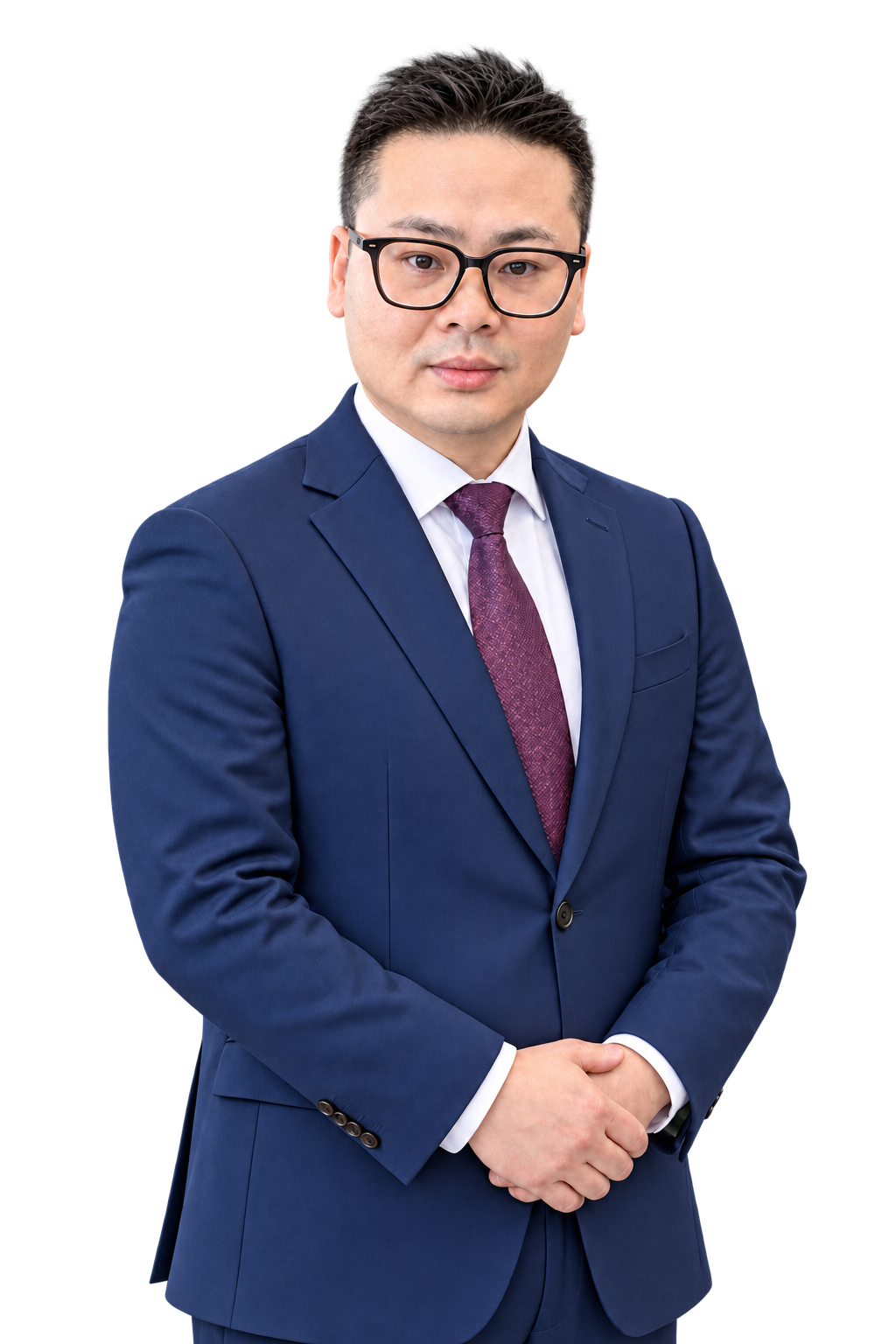
With more than ten years of legal practice, Sun Wansong focuses on commercial disputes and debt recovery. His work covers receivables arising from sales, services and construction projects, from negotiations through litigation, arbitration and enforcement.
Contracts, orders, delivery records and correspondence form the starting point for establishing the balance due and identifying the debtor, guarantors and any other potentially liable parties.
Recovery remains central throughout: workable payment plans and security in negotiations, asset preservation during proceedings, and active follow-up on enforcement. Cost, efficiency and ongoing commercial relationships also inform the strategy.
Establish the basis of the debt, issue appropriate demands and negotiate payment dates and security to encourage voluntary payment.
Prepare claims and evidence, assess jurisdiction and the responsible parties, and consider asset preservation alongside the appropriate proceedings.
Review the enforceable decision and enforcement history, identify asset leads and follow up on freezes, disposal and payment.
A single claim can be handled as a specific engagement, or a portfolio of overdue accounts can be reviewed in stages. The scope of work and reporting arrangements are agreed at the outset.
Legal workReview the parties, outstanding balance, payment conditions and evidence gaps, alongside disputed issues, assets and expected costs.
Key decisionsWho to pursue, what further documents are needed, which steps take priority and what may affect recovery.
Legal workConduct authorised demands and negotiations, and review reconciliations, repayment plans, concessions and security arrangements.
Practical outcomesClear records and suitable demand, repayment or settlement documents, with defined next steps if commitments are not met.
Legal workPrepare claims and evidence within the agreed scope, coordinate preservation and dispute proceedings, and follow up on enforcement measures.
Progress to trackProcedural milestones, outstanding documents, measures taken, money received and the remaining obstacles.
Account managementOrganise claims by debtor, project and due date, distinguishing negotiable accounts, evidence gaps, disputed claims and matters requiring proceedings.
CommunicationAgree contacts and reporting frequency. Updates focus on completed work, obstacles, next steps and decisions needed from the business.
For eligible matters accepted on a contingency basis, legal fees are calculated as an agreed percentage of the amount recovered.
Availability depends on the individual case and applicable rules. The engagement sets out the percentage, what counts as recovery, and how instalments, settlements and termination are treated.
Court or arbitration fees, preservation fees, security, expert and valuation costs are accounted for separately. A recovery-based legal fee does not mean that all other costs are waived.
Before a new stage begins, confirm the budget, responsibility for costs and scope of authority. Discuss proposed settlements, additional spending and changes to strategy in advance.
The amount due · How long it is overdue · Steps already taken
Contracts, purchase orders and details of the contracting parties.
Delivery and acceptance records, reconciliations, invoices and payment history.
Collection correspondence, judgments or awards, and known asset information.
Please outline the parties, the contract or project, the amount outstanding, the due date and the latest payment or promise. Include the debtor’s explanation, the documents available, any proceedings already started and your main objective.
Discuss Your Situation →Services can include reviewing the claim and evidence, formal demands, repayment negotiations, litigation or arbitration, assessment of asset preservation and enforcement work.
The parties, performance, jurisdiction provisions and location of assets are reviewed first. This helps determine the appropriate forum, working arrangements and any local coordination required.
Preserve original messages and records, including WeChat conversations, orders, delivery documents, invoices and payments. Their evidential value depends on how they establish the transaction and the debt when considered together.
Review the judgment and enforcement history alongside new asset information and the applicable procedural conditions. This may support an application to resume enforcement or another appropriate step.
Eligible matters accepted after assessment may use a recovery-based fee arrangement, with no lawyer’s fee if no recovery is made. Court, preservation, third-party and travel costs are agreed separately in the engagement.
Timing depends on negotiations, the complexity of the dispute, service of documents and the assets available for enforcement. A work plan and review points can be agreed, but a fixed recovery date or successful recovery cannot be guaranteed.
Agree the commercial objectives, contacts and negotiating limits before approaching the debtor. Reconciliations, undisputed sums and realistic payment plans may be addressed first, with escalation informed by payment behaviour and changing circumstances.
Compare likely recovery with the cost of filling evidence gaps, the debtor’s ability to pay and expected expenses. Smaller accounts may be assessed in batches. Some matters are better approached through further documentation or negotiation.